
An experienced camper’s Colorado angle
Built for the long way up.
For an avid Colorado camper, comfort is not about staying inside. It is about recovering well enough to make tomorrow’s climb, ride, paddle, or early start feel possible.
01
Experience changes what you value.
After enough nights outside, an experienced camper stops chasing features for their own sake. The useful things are the ones that protect time, energy, and options. A trailer should carry the equipment, handle the routine, and then get out of the way of the reason you drove into the mountains.
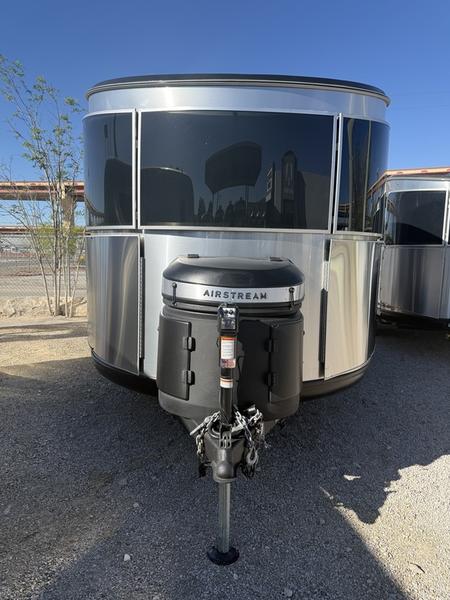
That is where Basecamp makes its case. The rear hatch and flexible interior are built around changing uses: bikes or climbing gear during the drive, a place to eat when afternoon weather moves in, and a sleeping space once the equipment is put away. It is less a miniature house than a durable headquarters.
02
Colorado rewards a compact plan.
Colorado travel can move from wide interstate to narrow campground loop quickly. A compact single-axle trailer is easier to place, easier to turn around, and better suited to campsites where every extra foot changes the options. Basecamp’s standard lift, rugged protection, and adventure-focused construction support travel beyond perfectly manicured pavement, while good judgment still sets the limit for every road and condition.
The trailer’s size also encourages movement. Stay near the desert for a shoulder-season ride, follow a cooler forecast uphill, or break a long route into smaller camps without making every relocation a major production.
The luxury is not excess. It is a dry place for the gear, a warm place for the body, and a faster start tomorrow morning.
03
Weather is part of the itinerary.
In the mountains, a blue morning can become wind, rain, hail, or a sharp temperature swing by afternoon. The experienced camper does not expect weather to cooperate; the plan leaves room for it. A solid place to change layers, dry equipment, cook, and sleep can turn a forecast change from a ruined trip into a slower evening.
Basecamp’s furnace, available air conditioning, onboard water systems, and enclosed storage broaden the comfortable season. They do not remove the need to monitor conditions, winterize correctly, conserve water, or respect altitude and road restrictions. They simply give good preparation more range.
- Stage wet or dusty gear before it reaches the sleeping area
- Keep a conservative water and battery plan for remote camps
- Check road, campground, fire, and weather conditions before every move
04
The 20X earns its space on longer trips.
For a camper who moves often but carries real equipment, the Basecamp 20X is especially persuasive. One convertible area can remain a bed while the front dinette stays useful for meals, maps, laptop time, or waiting out weather. Sleeping capacity for up to four also gives a couple generous flexibility without moving into a large trailer.
The smaller 16X remains the sharper tool for travelers who prioritize the lightest Basecamp, two-person trips, and the simplest footprint. Either way, match the fully loaded trailer to the tow vehicle—not just the brochure weight—and build margin into the plan for passengers, fuel, elevation, and gear.
05
Go farther by arriving with more left in the tank.
Avid campers know that the trip is rarely won by the biggest campsite setup. It is won by waking rested, finding the gloves where you left them, and getting onto the trail before the parking area fills. Basecamp gives that discipline a durable home.
It carries the systems that make recovery easier without asking the outdoors to become background scenery. In Colorado, where the next extraordinary place is often one pass, one weather window, or one early alarm away, that balance is power.