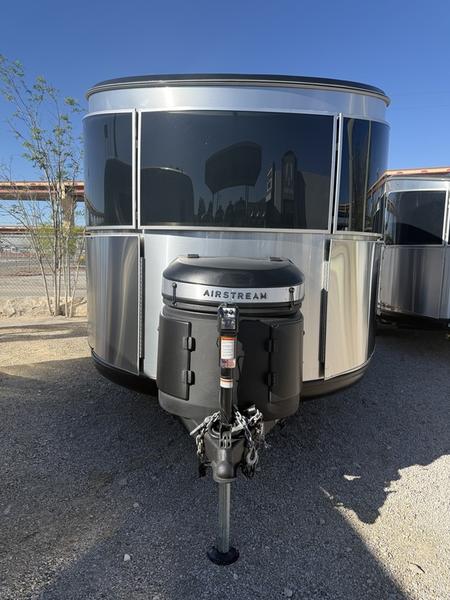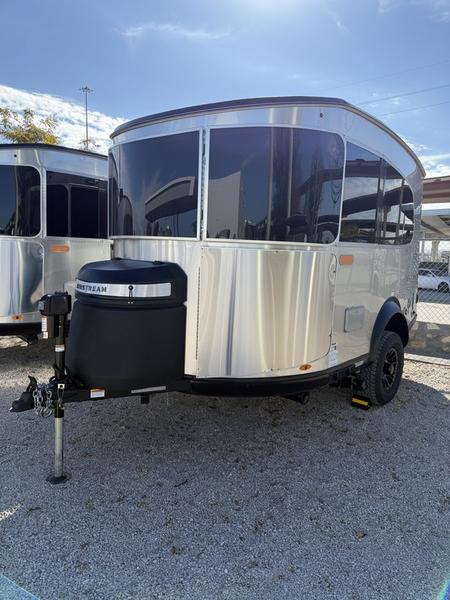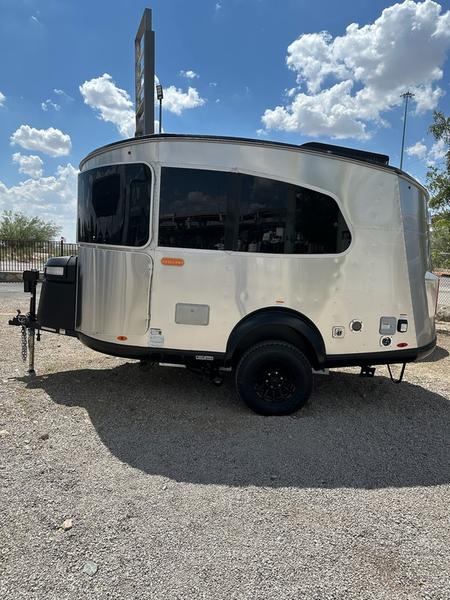
Basecamp floor plan comparison
Basecamp 16X vs. Basecamp 20X: Which One Fits Your Adventures?
The right Basecamp is not simply the biggest one your tow vehicle can pull. It is the floor plan that makes your most common trips easier to take.
01
Start with the adventure both floor plans share.
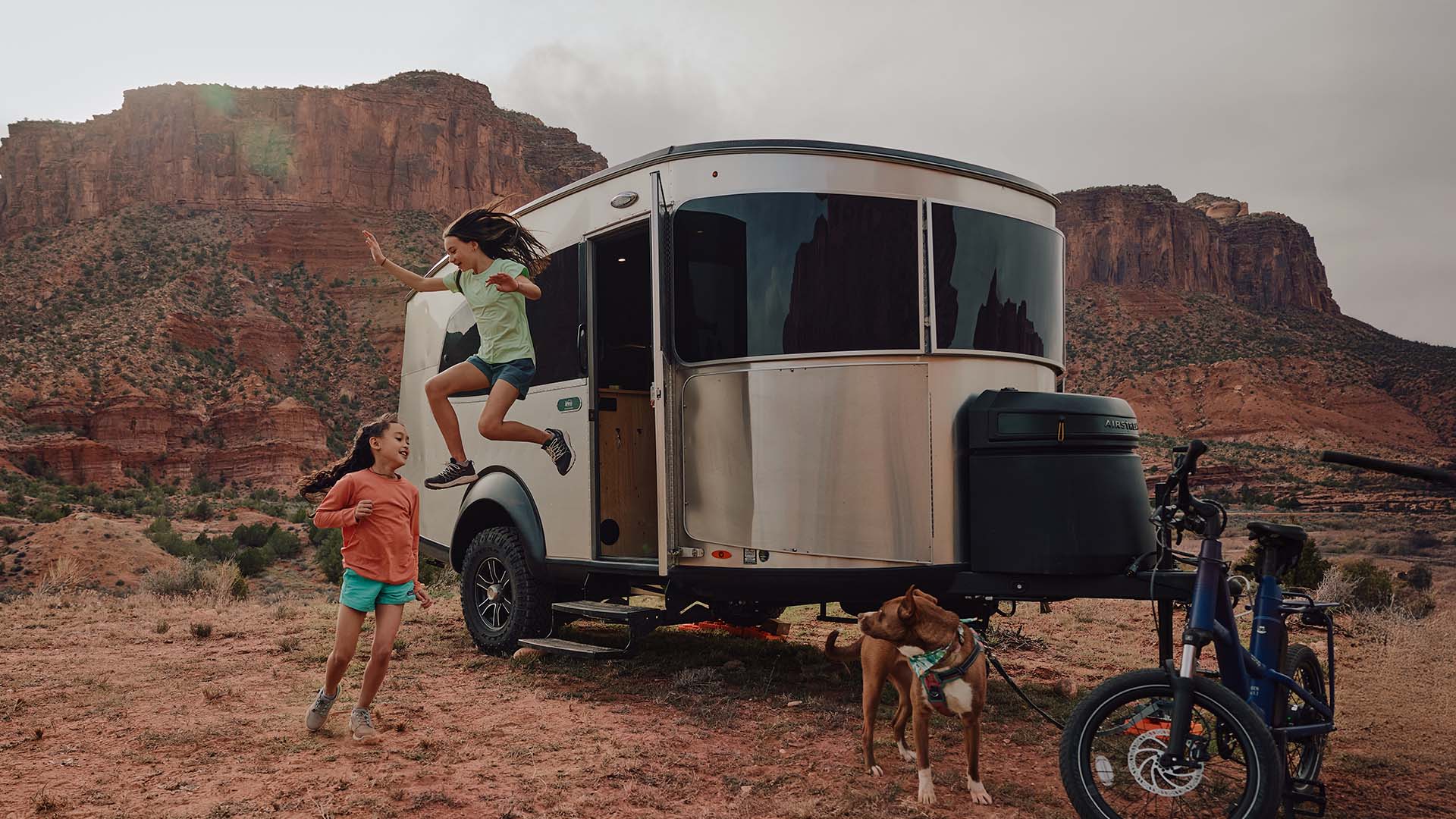
For model year 2026, Basecamp 16X and Basecamp 20X both come with the adventure-focused equipment that used to define the optional X-Package: a three-inch lift, all-terrain tires, stainless steel stone guards, solar window protection, and rugged exterior details. Both are single-axle trailers with a rear gear-loading door, flexible lounge and sleeping space, tie-down points, an aluminum L-track storage system, a wet bath, a two-burner galley, and an enclosed heated underbelly.
That shared foundation means the decision is not rugged versus refined. It is compact efficiency versus extra living flexibility. The best answer comes from the way you pack, the number of people traveling, the places you want to fit, and the capability of the tow vehicle after passengers and cargo are included.
02
The numbers reveal two different tools.
Airstream lists the 2026 Basecamp 16X at 16 feet 2 inches long and 7 feet wide, with a 2,700-pound base weight, 450-pound hitch weight, 3,500-pound maximum trailer capacity, and sleeping space for up to two. The 20X is 20 feet 2 inches long and 7 feet 9.5 inches wide, with a 3,500-pound base weight, 535-pound hitch weight, 4,300-pound maximum trailer capacity, and sleeping space for up to four.
Both list 800 pounds of net carrying capacity. That is an important reminder: the 20X gives you more room, but not permission to pack without a plan. Food, water, batteries, options, bikes, tools, kitchen equipment, and everything loaded into the trailer consume carrying capacity. The tow vehicle must also have room in its payload calculation for people, pets, cargo, hitch equipment, and the trailer's loaded tongue weight.
- 16X: 16 ft 2 in long, 2,700 lb base weight, 3,500 lb GVWR, sleeps up to two
- 20X: 20 ft 2 in long, 3,500 lb base weight, 4,300 lb GVWR, sleeps up to four
- Published base and hitch weights are planning figures—not tow-vehicle approval
Choose the smallest Basecamp that comfortably supports the people, gear, and routines you will carry most often.
03
Choose the 16X when simplicity is the luxury.
The Basecamp 16X is the sharper choice for one or two travelers who want the smallest footprint, the lightest published Basecamp weight, and fewer compromises when maneuvering through a tight campground loop or storing the trailer at home. Its compact width and four-foot length advantage can matter on narrow approaches, older campsites, and quick overnight stops.
Inside, the rear lounge converts into a generous 76-by-76-inch complete bed. The tradeoff is that sleeping, lounging, and dining happen in the same main zone. Travelers who are comfortable resetting the space once or twice a day often appreciate that efficiency. The 21-gallon fresh-water tank, 24-gallon combination waste tank, 3.1-cubic-foot refrigerator, and optional 200-watt solar package suit a deliberate two-person packing style.
In West Texas, the smaller trailer can also be appealing when the itinerary changes often. It is easier to imagine leaving after work, fitting into a compact site before dark, and breaking camp without turning the entire morning into a production.
04
Choose the 20X when the interior must do two jobs at once.
The Basecamp 20X adds more than four feet of length. Its separate convertible front dinette creates a second living and sleeping zone, so the rear bed can remain made while another person eats, works, reads, or plans the route. That distinction matters for couples on longer trips, families, guests, and travelers who do not want every meal to trigger a full interior reset.
The 20X complete rear bed measures 82 by 78 inches, and the front dinette converts to a 43-by-78-inch sleeping space. Airstream rates the floor plan for up to four people. It also adds a 28-gallon gray tank, a separate 21-gallon waste tank, 23 gallons of fresh water, a 4.3-cubic-foot refrigerator, a 19,000-BTU furnace, and an available 300-watt solar charging system.
The cost of that flexibility is physical: more width, more length, a higher published hitch weight, and 800 additional pounds of base weight. The 20X can feel calmer during a multi-day trip, but the tow vehicle, storage location, driveway, and preferred campsites all need to accommodate it.
05
Tow ratings are only the beginning of the conversation.
Do not choose between the 16X and 20X from a single maximum tow-rating number. Confirm the tow vehicle's payload label, gross combined rating, axle ratings, receiver limits, recommended hitch equipment, brake-controller requirements, and the effect of passengers and cargo. Then estimate the trailer as it will actually leave for camp—not empty at the factory.
West Texas wind and summer heat make margin especially valuable. Crosswinds increase driver workload, steep grades add heat, and high temperatures affect tires, cooling systems, and people. A conservative match, correct tire pressures, balanced loading, appropriate speed, and flexible departure timing matter more than proving the combination can reach a published limit.
06
Make the decision inside the floor plans.
Choose the 16X if most trips involve one or two people, compact campsites, frequent moves, and a disciplined gear list. Choose the 20X if a separate dinette, room for up to four, larger tanks, a larger refrigerator, and the ability to leave one sleeping area assembled will materially improve how you travel.
Then test the choice in person. Sit at the tables, convert the beds, stand in the wet baths, open the storage, imagine a rainy evening, and account for the bikes, dogs, cooking equipment, and layers that come with the trip. The right Basecamp should make Friday departure feel easier—not simply look impressive while parked.