Southwest camping guide
Desert camping is better when you plan for the edges.
The desert rarely rewards improvisation at midday. A little planning protects comfort, equipment, and the landscape you came to see.
01
Build the day around temperature and shade.
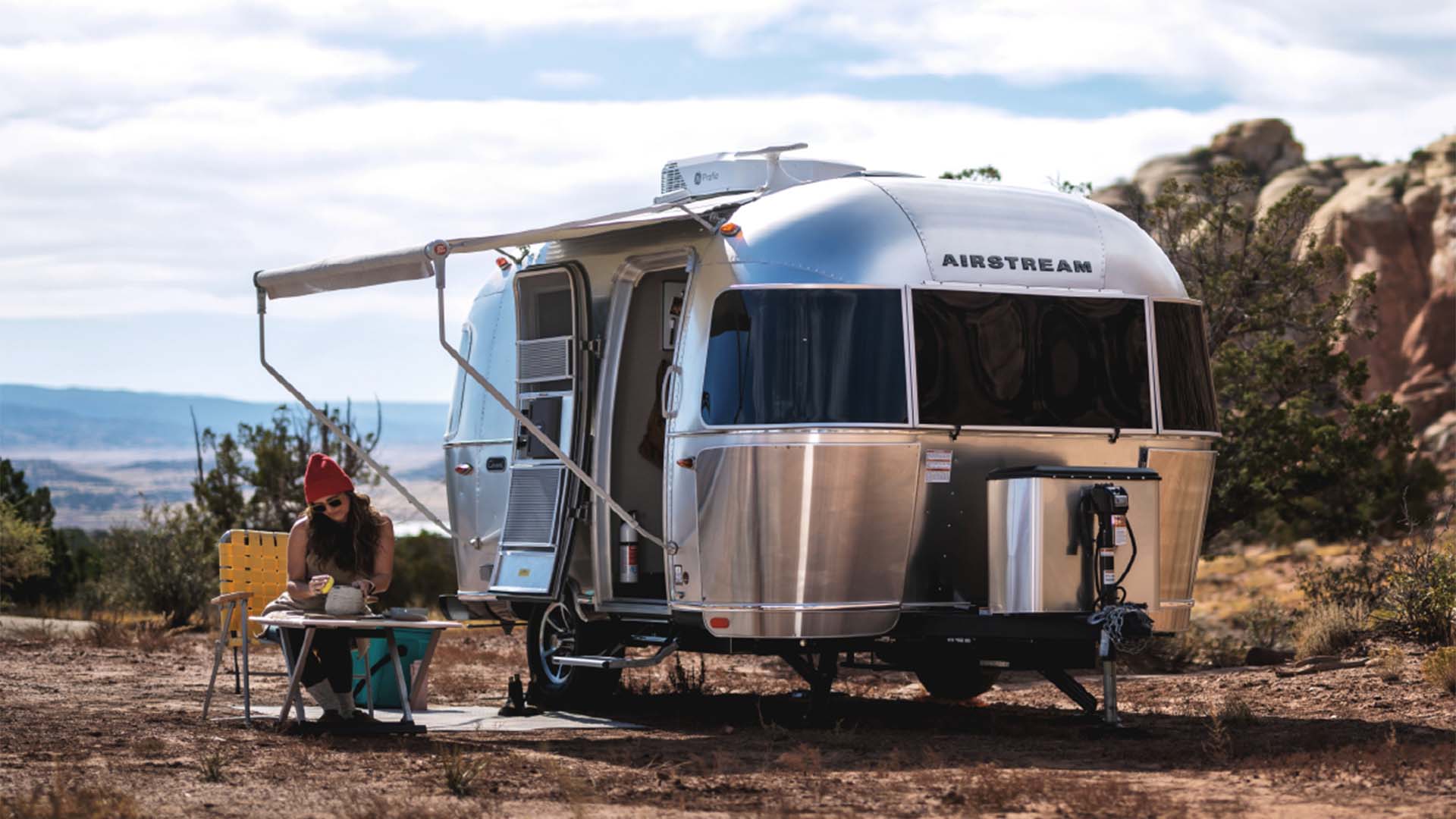
Desert days can move from cold before sunrise to intense heat, then cool quickly after dark. Dress in layers, plan active hours for morning and evening, and treat shade as a limited resource. Campsite orientation can affect both interior comfort and how well an awning can be used.
Air conditioning is valuable when shore power or an appropriate power setup is available, but it should not be the only safety plan. Know the forecast, carry more drinking water than the minimum, and have an exit plan if heat, wind, or dust becomes unsafe.
02
Water and power are daily budgets.
Track fresh water, waste capacity, and battery state from the beginning of the stay. Shorter showers, simple meals, and deliberate dishwashing extend time away from hookups. Keep drinking water separate from general-use calculations so comfort choices never threaten hydration.
Solar can replace some of the energy used during the day, but shade, season, panel angle, clouds, and demand all change the result. Learn what is installed on your exact Airstream and test a one-night plan close to home before relying on it remotely.
- Protect a dedicated drinking-water reserve
- Monitor tanks and batteries before they become urgent
- Carry a power plan that matches the equipment actually installed
In the desert, comfort comes from managing exposure—not trying to overpower the environment.
03
Keep dust outside and impact small.
Use mats, bins, and a designated gear zone to stop fine dust from spreading through the trailer. Close openings when wind rises, clean filters more often, and inspect seals after dusty travel. A small brush and handheld vacuum earn their space quickly.
Camp only where permitted, stay on durable surfaces, follow fire restrictions, and pack out everything. Desert soils and plants can take years to recover from a careless shortcut. The goal is to leave the campsite ready for the next quiet morning.